Building a 200km Fibre Optic Backbone in South Sudan
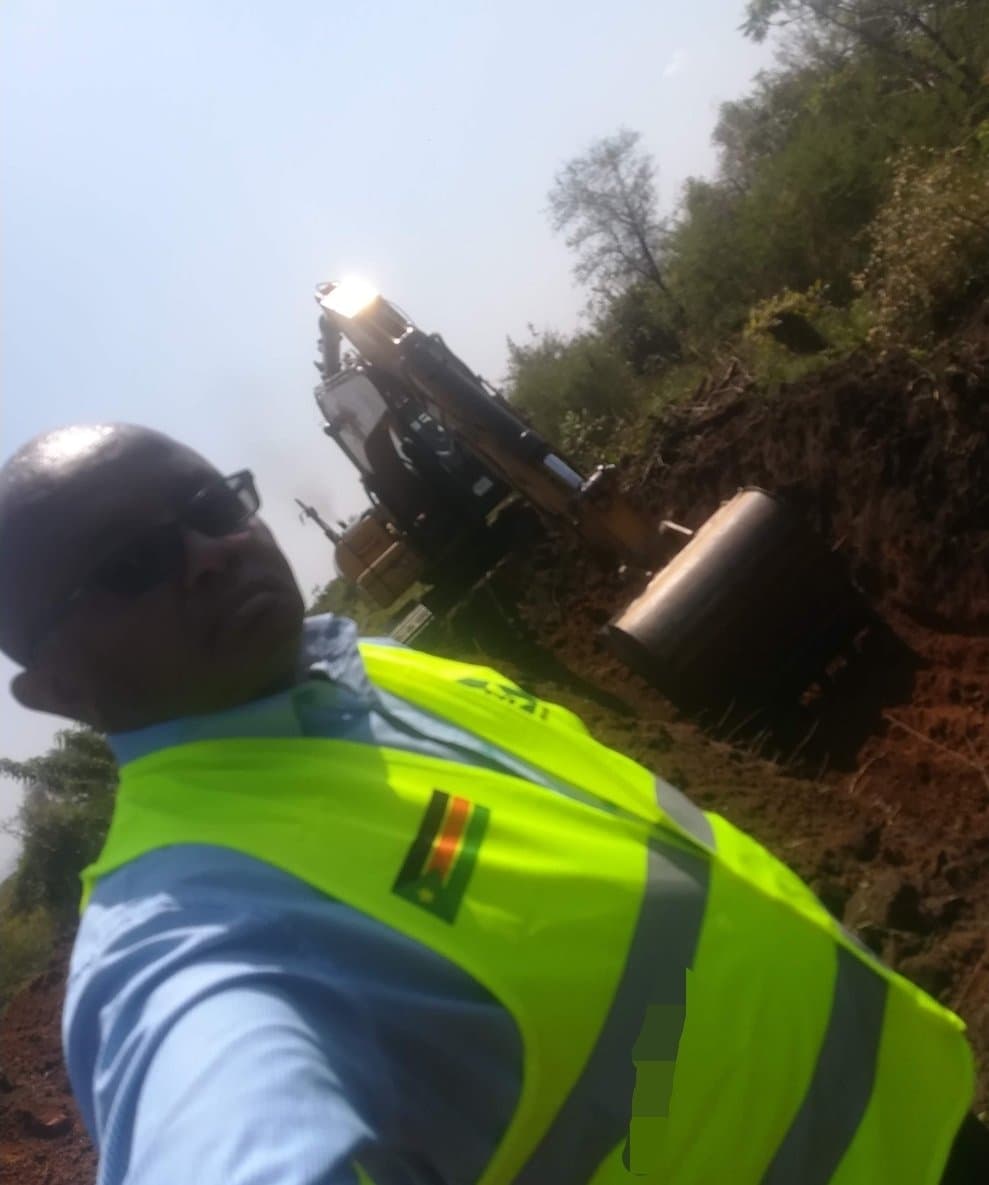
Overseeing the construction of a 200km fibre optic backbone in South Sudan meant shuttling between Nimule town on the Uganda border and Juba, the capital city, in temperatures averaging 34 degrees Celsius on most days. During the licensing phase, I arrived in Juba one afternoon and defended the licence application to the regulator the next morning. I was back to the familiar temperatures of Nairobi 48 hours later.
A few weeks passed and I was back to oversee groundbreaking and implementation. This time around, I was not alone. I met our newly recruited network planner for the first time at the airport on our way out of Nairobi. It was a high-speed programme from there on - from surveying the route through villages along the River Nile, to project planning, establishing the cost of imports, recruiting field staff and piecing everything together. We had to negotiate with village elders, Chiefs and land owners for Right of Way, recruited soldiers from military camps to escort us on most days, and avoided unexploded ordnance in the former frontlines of the liberation wars around Jebel Lein. It was a daily adventure under the scorching sun and humidity of the River Nile.
We were alert to the fact that infrastructure projects in post-conflict nations encounter disruptions and uncertainty. We had learnt our way around security roadblocks, roadside eateries and supervision of the excavation teams. Then came the currency crash: the over-500% drop in the exchange rate of the South Sudan Pound (SSP) shifted our timelines and kept us working far longer than we had ever expected.
The other major disruption came from logistical hiccups outside South Sudan. The delays occasioned by the clearing and forwarding company, and the extra weeks it took for containers to arrive from China after the war in Sudan intensified, flipped our calendar. At Cello Africa we had to soldier on and deliver the project even after an unexpected hike in import duty at the Nimule border.
The team faced many challenges, including sub-contractor turnover, changes in visa requirements and many more. A unique realisation was that there were no real manhole construction companies; the cost was prohibitive and the timelines unacceptable, so we had to import them. Throughout the journey, every team member became much better at risk management and at curtailing the impact of disruptions.
Three years on, Boma Rural Connect is delivering connectivity for South Sudan. They remain focused on their mission of "Connecting the Unconnected", which aligns with the #ConnectingSouthSudan agenda of the industry regulator, the National Communication Authority (NCA).
The dream of bridging the digital divide is being fulfilled thanks to the focus and collective effort of the Cello Africa team - Amin Ali, TJM, Michael Kamunge, Edward Sagini and Said - and the able leadership of David Garjang at Boma Rural Connect.